
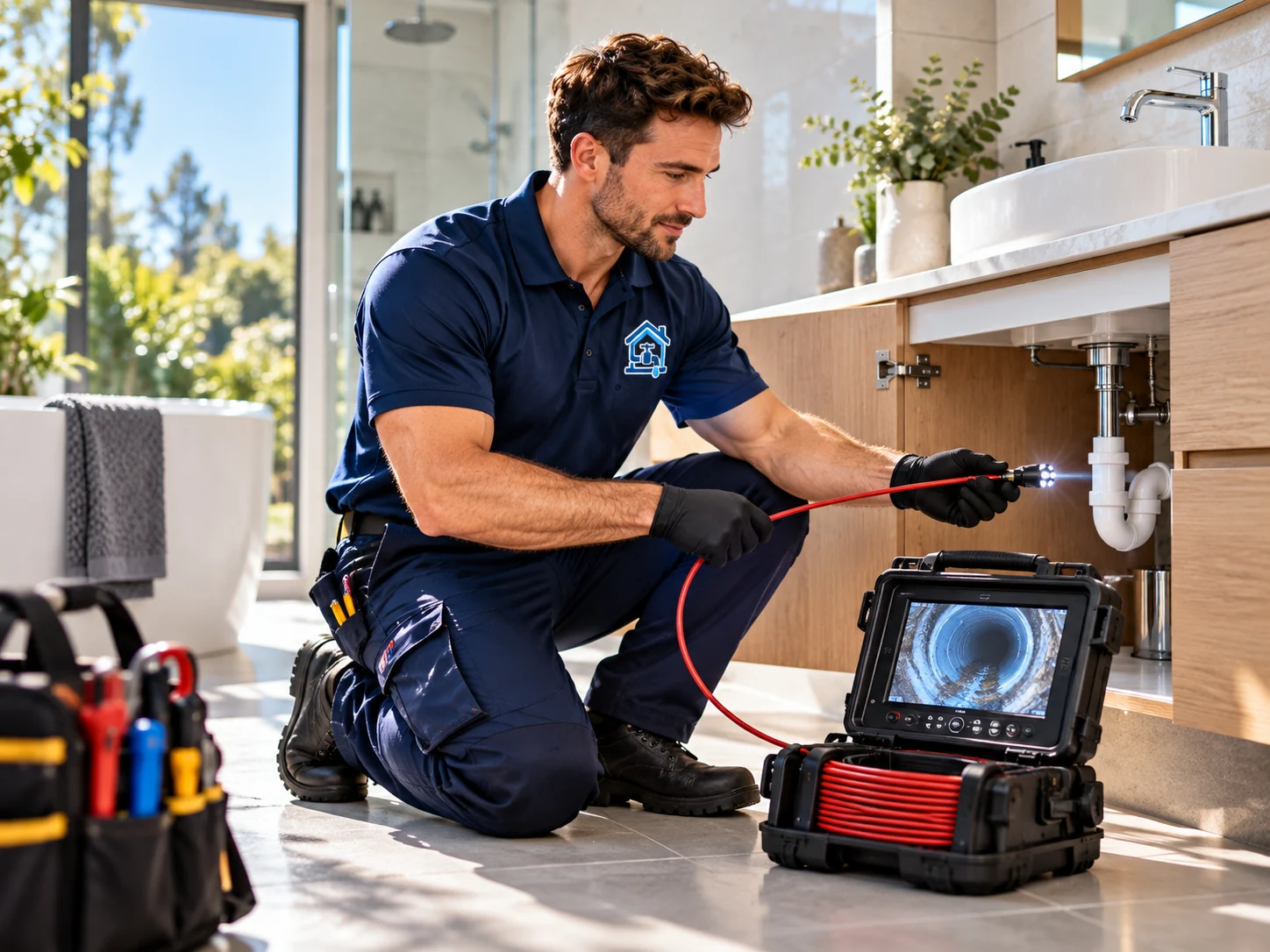
A visible tap repair is scoped differently from a leak that may be coming from concealed pipework, a drain connection or a shower enclosure. The cause needs to be identified before the repair approach is clear.
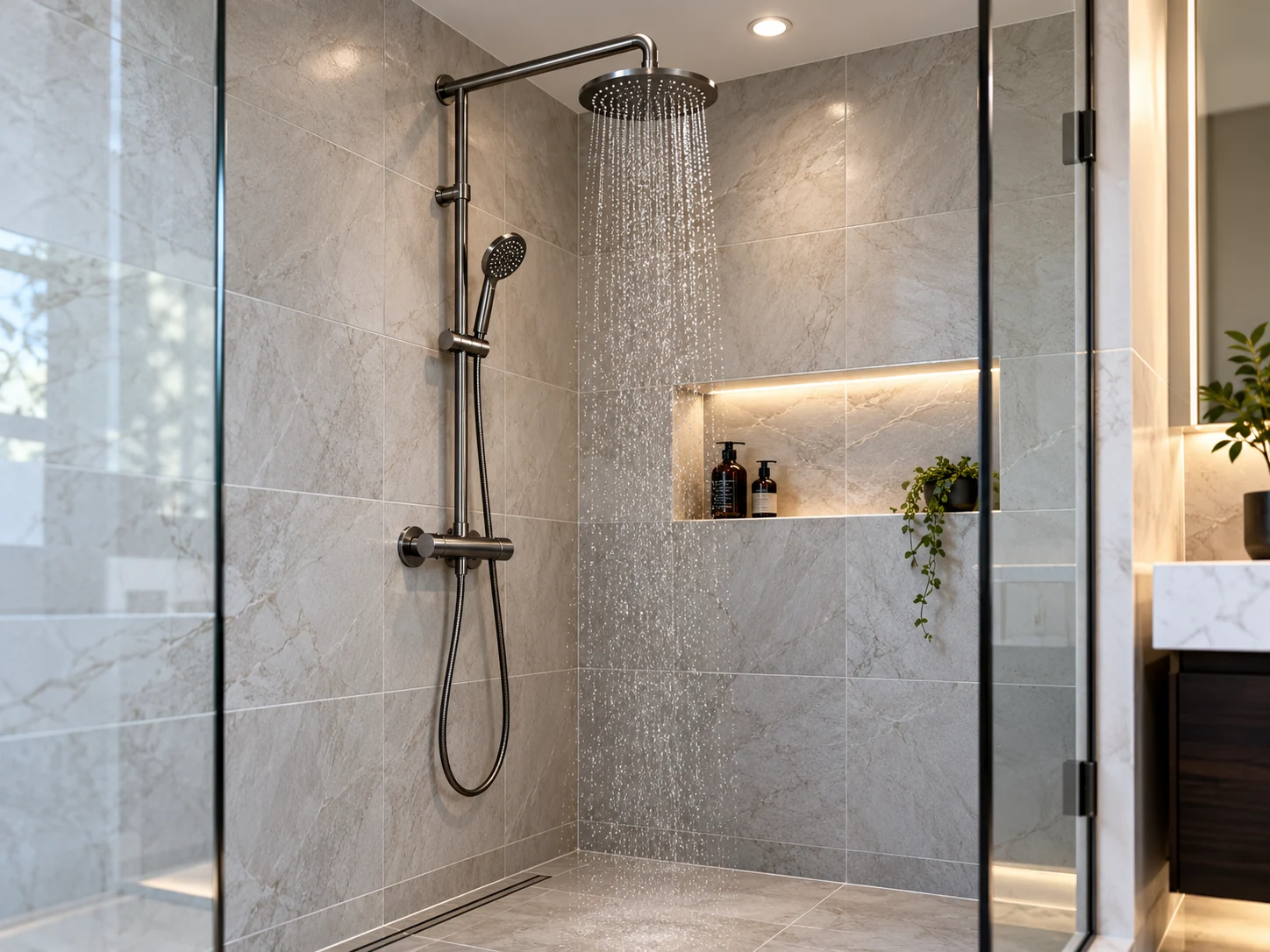
Practical help for leaking showers, faulty taps, toilets, basins and bathroom drains. Get the cause checked before small water problems spread.
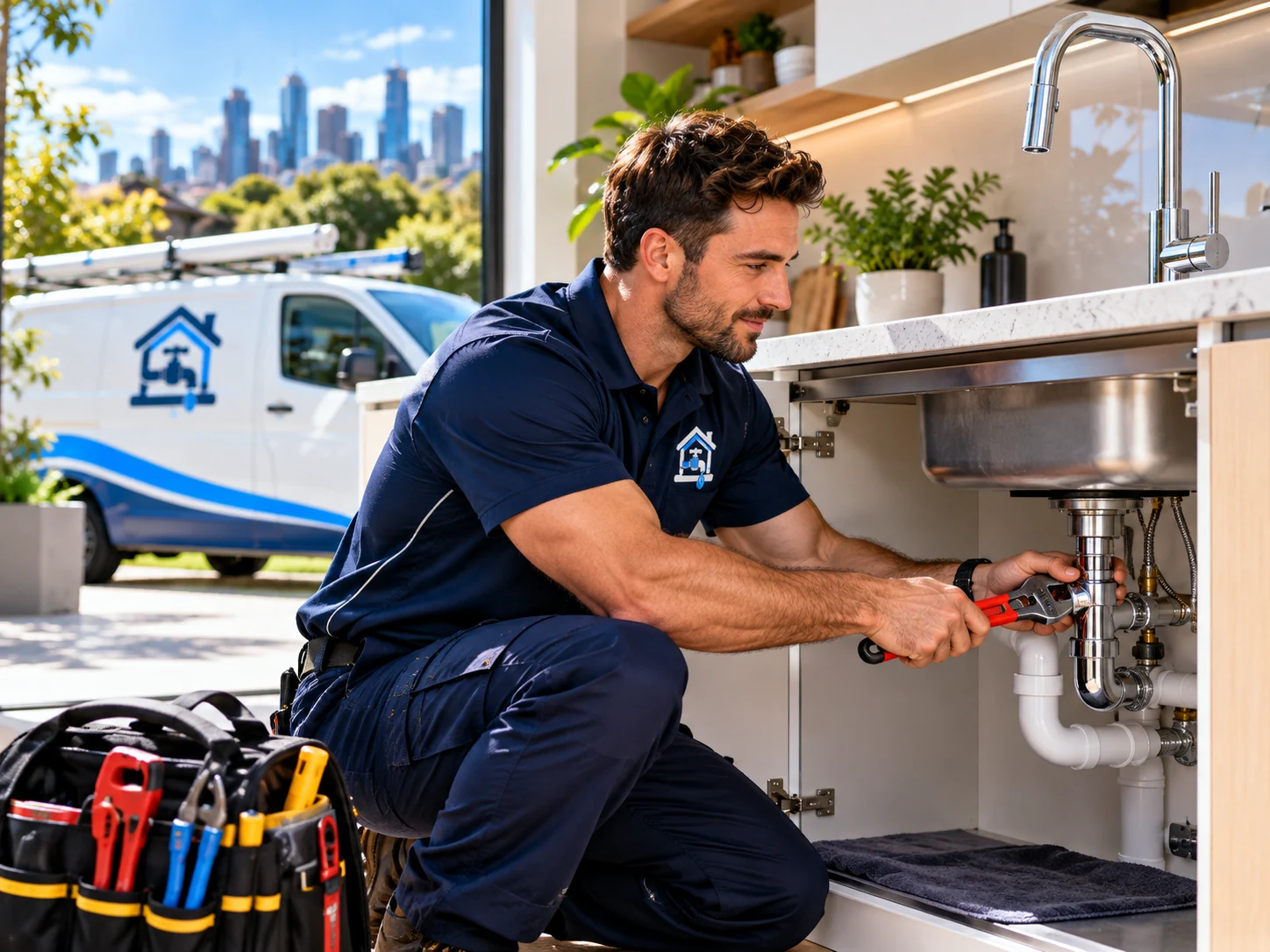
Illustrative concept imageTell us which fixture is affected and whether the issue involves a leak, low flow, drainage or a connection.
A leaking shower, a toilet that will not stop running or water collecting beside the basin can turn a normal morning into a worry. Grade A Plumbing provides bathroom plumbing help across Melbourne for homes, rental properties, strata-managed buildings and commercial bathrooms, with repair options explained after the issue is assessed.
Bathroom faults are not always obvious. Water can escape through a worn tap seal, a failed mixer component, a loose waste fitting, a blocked drain or pipework hidden behind a wall. Looking at where water appears, when it happens and what changes when fixtures are used helps narrow down the cause without guessing.
If water is actively overflowing or leaking, stop using the affected fixture if it is safe and contain the water with towels or a bucket. For urgent bathroom plumbing, call (02) 5837 5457 to check current 24/7 emergency availability, or email support@gradeaplumbing.store for a non-urgent enquiry.
Bathroom plumbing is the pipework and fittings that bring water to your shower, basin and toilet, then take wastewater away. A problem may sit in a visible fitting, such as a tap or shower head, or in the connections and drainage concealed below, behind or beside the bathroom. The right repair depends on finding the source rather than treating the damp patch alone.
For a homeowner, that may mean dealing with a drip before it stains cabinetry or affects the room below. For a tenant or property manager, useful details include which fixture is affected, whether the water can be isolated, when the issue started and whether there is visible damage. Those details help set the scope for the assessment and any next steps.
Work on water, sanitary and drainage systems in Victoria may need to be completed by the appropriately licensed plumbing practitioner, and some work requires a compliance certificate. Where other trades are needed, such as for tiling, cabinetry, electrical work or waterproofing, the plumbing scope should be clear so each part is handled by the right person.
An assessment can cover the practical faults that commonly affect bathrooms, including:
The same symptom can have more than one cause, so these are starting points rather than a diagnosis.
| What you notice | What could be behind it | Useful next step |
|---|---|---|
| Water on the floor after a shower | A screen or seal issue, surface drainage problem, shower plumbing leak or a waterproofing-related fault. | Stop using the shower if water is spreading and note where it first appears. |
| Tap drips after being turned off | Wear in an internal component, a damaged valve or a fault in the tap assembly. | Avoid forcing the handle; arrange an assessment of the tap and its water supply. |
| Shower temperature changes suddenly | A mixer component, water-supply issue or another fixture drawing water elsewhere in the property. | Record when it occurs and whether both hot and cold water are affected. |
| Toilet runs or refills by itself | A cistern valve, seal or inlet component may not be shutting off correctly. | Use the isolation valve only if you know it is safe to do so, then report the symptom. |
| Basin drains slowly | Build-up in the waste, trap or nearby drain line, or a restriction farther along the pipe. | Limit use if it is close to overflowing and avoid adding harsh chemicals. |
| Damp wall, floor or ceiling nearby | A concealed pipe or fitting leak, drainage leak, shower escape or waterproofing-related moisture entry. | Take photos, protect belongings and arrange investigation before covering the area. |
If water is near a power point, light fitting or electrical appliance, keep clear and arrange safe advice from the appropriate qualified trade.
A shower can leak while it is running, after it is switched off or only when water reaches a certain part of the enclosure. A leaking shower head or hose is different from water passing around a screen, through a failed seal, from a pipe connection or beneath the shower area. The visible water mark is often not the point where the water began to escape.
Before an assessment, it helps to notice whether the leak appears with the shower only, with the basin as well, or even when no fixture is in use. Note whether the bathroom is upstairs, whether there is staining on the ceiling below and whether the leak changes with hot or cold water. Do not drill, cut walls or pull up finishes to look for it yourself, as that can add damage and make the source harder to establish.
A plumbing repair may involve a fitting, connection, shower outlet, waste or pipework. If the plumbing is sound but water is getting through the wet-area lining, tiles, screen detailing or junctions, that may need specialist waterproofing or building work instead. A proper scope separates these issues rather than presenting waterproofing as a tap or pipe repair.
A tap that drips, seizes, rattles or delivers weak flow is not simply an annoyance. It may waste water, mark the basin and signal wear inside the tap or a problem with supply pressure or debris. The tap type, condition of the body, access to isolation valves and availability of compatible components can affect whether repair or replacement is more sensible.
A shower mixer combines hot and cold water behind the handle. Symptoms such as a handle that is hard to move, water that will not turn off cleanly, uneven temperature or low flow can come from internal components or the surrounding supply. Because concealed mixer work can affect wall finishes and waterproofed areas, the access method should be discussed before work begins.
If your hot water is inconsistent at more than one fixture, the bathroom mixer may not be the only issue. Mention any changes at the kitchen, laundry or hot water system so the assessment considers the wider plumbing system. Do not dismantle a mixer or try to alter its temperature limit yourself.
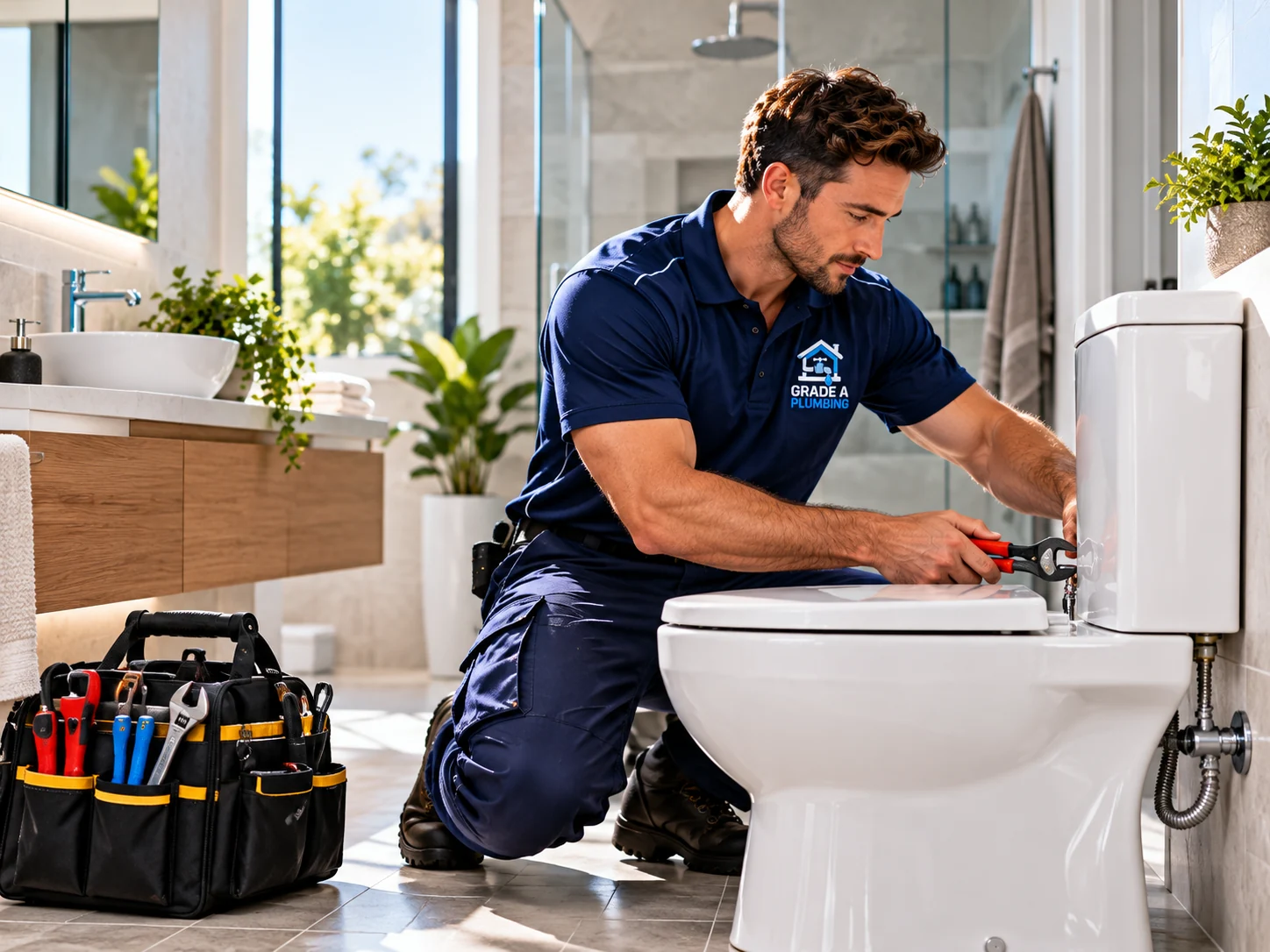
Toilet problems can involve the cistern, pan, inlet valve, flush mechanism, outlet seal or nearby drainage. Water in the bowl that keeps moving, a cistern that repeatedly refills, a weak flush, a wobbling pan or moisture around the base each call for different checks. A toilet that backs up or threatens to overflow should not be repeatedly flushed.
For a new basin or a basin replacement, the practical details include the size and position of the basin, existing water connections, tapware, waste outlet, trap and access inside the vanity. A neat-looking basin still needs sound connections and drainage that works properly. If cabinetry or benchtops need changing to make the basin fit, that is separate from the plumbing connection itself.
In apartments, townhouses and commercial properties, an issue may affect shared services or adjoining areas. Property managers can help the assessment by providing access details, any building requirements and reports of water appearing in neighbouring spaces.
Small actions can limit damage while you arrange an assessment, but they are not a substitute for a repair.
Keep people away from wet, slippery areas and move towels, toiletries and loose belongings out of the path of water. Do not touch switches, appliances or exposed electrical fittings if water is nearby.
Do not run the shower, basin or toilet that appears to be causing the leak. If the toilet is rising or overflowing, do not flush it again.
Use a bucket or towels where safe, and protect nearby furniture or flooring. Avoid sealing over a leak with tape, silicone or filler before the source has been identified.
Photograph visible water, staining or damage and note when it occurs, which fixtures were used and whether the water is clean, soapy or discoloured. This is useful for an owner, property manager or strata contact.
Explain whether water is continuing, where it is travelling and whether there is any electrical or gas concern. A plumber can assess the plumbing; other specialist trades may be needed once the source and affected building elements are known.
 Illustrative concept
Access and the source of the issue shape the work required. We discuss the proposed scope before beginning.
Slow drainage in a basin, shower or floor waste can be caused by soap residue, hair, sediment, an obstruction in the trap or a restriction farther down the line. Gurgling, odours or water rising at another fixture can suggest that the issue is not limited to the visible drain. The pattern matters: a single slow basin is different from several bathroom fixtures draining poorly at once.
Avoid repeatedly pouring strong chemical products into a blocked bathroom drain. They may not clear the restriction, can create a hazard and can complicate inspection or repair. Also avoid forcing tools deep into the drain, as they can damage fittings or push material farther along the pipe.
Depending on the symptoms and access, investigation may include checking accessible components or using diagnostic equipment such as a CCTV drain camera. That is an option, not an assumption; the method and repair plan should follow the assessment. For a more widespread drainage issue, see the related blocked-drains service.
A concealed leak is water escaping from a pipe, fitting or connection that cannot be readily seen. Peeling paint, a musty smell, soft skirting, swollen cabinetry, mould or a mark on the ceiling below a bathroom can all warrant investigation, but none identifies the cause on its own. Moisture can also travel away from its entry point before it becomes visible.
The aim is to locate the likely source with the least unnecessary disruption, then decide what needs repair. Visual checks, pressure-related observations, moisture assessment and other non-destructive or targeted approaches may be considered depending on the building and symptoms. If access to pipework requires removing a wall or vanity panel, the likely extent should be explained before that work proceeds.
Drying a surface or painting over a stain does not correct an active leak. Protect the area from further wetting, keep a record of changes and arrange attention before timber, plasterboard, flooring or a neighbouring property is affected further.
A bathroom renovation is easier to coordinate when the plumbing layout is considered before finishes are chosen. Moving a toilet, shower or basin may involve water supply, waste and drainage changes, as well as coordination with the builder, tiler, cabinetmaker, electrician and waterproofing contractor. Access, slab or subfloor conditions, wall cavities and the proposed fixture locations can all shape what is practical.
At the planning stage, provide a layout, fixture specifications if available and a clear list of what is staying or moving. Ask for the plumbing scope to identify inclusions, exclusions, fixture supply responsibilities and any work that could only be confirmed once existing finishes are opened. A firm price requires the work to be assessed, especially where concealed pipework or drainage may be different from plans or expectations.
In Victoria, use appropriately licensed plumbing and gasfitting practitioners for the work that requires them, and check whether compliance documentation is required for the particular job. If the project includes gas appliances, gas work must be handled by the appropriately licensed gasfitter; it is not a DIY task. Building approval, structural changes and waterproofing are separate project considerations to check with the relevant professionals.
Plumbing repairs deal with water supply pipes, fittings, valves, wastes, traps, toilets and drainage. They can stop water escaping from a faulty plumbing component, but they do not automatically repair a failed wet-area membrane, tile installation, shower screen detail, wall lining or structural moisture damage.
Waterproofing is the barrier system beneath or around wet-area finishes that helps prevent water entering the building. Victorian building guidance notes that an inadequately waterproofed bathroom can lead to moisture problems. Where the evidence points to a waterproofing-related fault, a specialist waterproofing contractor, builder or other appropriate professional may need to assess that scope alongside any plumbing repair.
For a renovation or a persistent shower leak, ask for a clear explanation of what has been identified as plumbing work and what falls outside it. This avoids assuming that replacing a tap, drain or shower fitting will resolve a problem in the bathroom’s waterproofing system.
If water is close to electrical outlets, light fittings, appliances or wiring, keep clear and do not touch switches or electrical equipment. Stop using the affected bathroom where practical and seek help from the appropriately qualified trade. If there is immediate danger to life or property, call 000 from a safe place.
If you smell gas or suspect a gas leak near a bathroom or hot water appliance, leave the area, keep others away and do not use electrical switches, flames, matches, smoking materials or appliances. Contact the gas distributor’s emergency line or 000 from a safe place. Do not attempt to find, test, repair or reconnect gas equipment yourself.
We do not publish fixed prices, because the right figure depends on what is actually found on site. These are the factors that shape a quote, and the proposed scope and price are explained before agreed work proceeds.
A visible tap repair is scoped differently from a leak that may be coming from concealed pipework, a drain connection or a shower enclosure. The cause needs to be identified before the repair approach is clear.
Work is affected by whether valves, traps, cistern parts and pipework can be reached through existing access points or whether finishes, cabinetry or panels must be removed or reinstated.
The make-up and condition of a tap, mixer, toilet, basin or shower fitting influence repair options and whether compatible replacement components are available.
A simple local restriction differs from a blockage or fault farther along the drainage line. The symptoms, access and diagnostic method needed can change the work involved.
Moving fixtures or installing a new basin may require changes to water and waste positions and coordination with builders, waterproofing contractors, tilers, cabinetmakers or electricians.
Active water, access limitations, tenant arrangements, multi-level buildings and the need to protect affected areas can change how the work is planned. A firm price follows an assessment of the specific job.
Every business prices this work differently, and the figure depends on the assessment outcome, access, parts and whether attendance is outside standard hours. Ask for the proposed scope and price before work starts.
If your situation is urgent, call first to discuss availability and the safest next step.
Water on the floor may come from the shower head, hose, outlet, screen, seal, waste connection, drainage or a waterproofing-related issue. The point where water appears is not always the source, especially if it travels under finishes. Stop using the shower if water is spreading and have the plumbing assessed so the cause can be separated from any non-plumbing building work.
Often, a tap can be assessed for repair where suitable components are available and the tap body is in sound enough condition. In other cases, replacement may make more sense because of the tap type, wear, corrosion or component compatibility. An assessment can explain the workable options before a decision is made.
A shower mixer blends hot and cold water, so unstable temperature can relate to an internal mixer component, supply conditions or another fixture affecting water use in the property. Note whether the problem happens at other taps too and whether it affects both hot and cold water. Do not dismantle or adjust the mixer yourself; concealed work can affect wall finishes and the surrounding wet area.
A continually running toilet may be wasting water and may be caused by a cistern component or seal that is not shutting off properly. It is more urgent if water is overflowing, leaking onto the floor, rising in the bowl or damaging nearby areas. Do not keep flushing a toilet that is backing up, and arrange help if water cannot be safely controlled.
The restriction may be in the waste, trap or pipework beyond the plug, and soap residue, hair or other material may be contributing. If several fixtures are slow, gurgling or backing up, the issue may be farther along the drainage system. Avoid harsh chemicals or forcing tools into the drain, as neither confirms the cause and both can create further problems.
Yes. Concealed pipework and connections can leak without obvious running water in the room. Damp paint, mould, swollen cabinetry, a musty smell or a ceiling mark below the bathroom are reasons to arrange investigation, but they do not prove the leak is in one exact spot. Locating the likely source before opening finishes helps keep the scope targeted.
Not necessarily. A plumbing repair can address a faulty pipe, fitting, drain or connection, while waterproofing concerns relate to the wet-area barrier and surrounding construction. If plumbing tests sound but water still escapes from the shower area, another suitably qualified waterproofing or building professional may need to assess that separate issue.
Share the property address, access arrangements, affected fixture, when the issue began and whether water has reached another lot or room. Photos of staining, pooling or damaged finishes can be useful, along with any relevant building or strata requirements. This helps clarify the immediate plumbing issue and any coordination needed with occupants or other trades.
A basin installation needs the proposed basin, tapware, water connections, waste outlet, trap and vanity access to be considered together. Changing the basin size or location may also affect cabinetry, benchtops, tiling and drainage positions. Providing the product information and planned layout helps identify the plumbing work before installation.
A firm price requires the work to be assessed because the cause, access, fixture condition, parts and any concealed damage vary from bathroom to bathroom. For renovation work, drawings, fixture specifications and the exact plumbing scope are useful. Ask what is included, excluded and dependent on findings once existing finishes or pipework are accessible.
General plumbing, safety and compliance guidance on this page was checked against the following Australian sources. Nothing on this page replaces an on-site assessment.
Current availability depends on location and bookings. For immediate danger, contact emergency services.
Browse listed suburbs and contact us to confirm current availability.